
Evolve
Programmes that help your business grow and scale through innovation. We extend what you have built rather than tearing it down, so growing stops costing you the thing that was already working.
- 2.1
- The load pathWhat everything you have built currently rests on.
- 2.2
- The extensionNew capability, drawn before you commit to it.
What we usually hear from founders and business leaders
Three things we hear over and over, in different words each time. If two of them are true of your company, you are in the right place.
- 01
Growth is costing you
Every new customer takes something away from the part of the business that was already working.
- 02
It all routes through you
The company can grow exactly as fast as your calendar allows, and no faster.
- 03
Nobody drew the load path
There are a few people and systems holding the weight, and no plan for what happens when one gives.
What working together looks like
One way End Game | Evolve tends to run: four stages, the part of the company each one works on, and the experience each one calls on. Every company starts somewhere different, so yours may run shorter, longer, or in another order. What is worth reading here is the shape of the work, and you get to read it before you speak to anyone.
- AFocus / The operationThe operationEverything that has to work on a Tuesday.
We find what everything is resting on
Every company has a load path: the few people, systems and relationships actually carrying the weight. Growing without knowing where it runs is how companies break in the places nobody was watching.
Draws on- Growth & scale
- Technology & transformation
- BFocus / The peopleThe peopleWho runs it when you are not in the room.
We work out who runs it when you are not there
Scale is mostly a question about people. If every decision comes back to you, the ceiling is not your market, it is your diary. This stage is usually less comfortable than founders expect.
Draws on- Connections & partnerships
- Growth & scale
- CFocus / The operationThe operationEverything that has to work on a Tuesday.
We set out the extension before you build it
New capability gets shown in broken line first, the drafting convention for something proposed but not yet built. You can see where the load will fall before you commit budget, hiring or a year to it.
Draws on- Technology & transformation
- Governance & transactions
- DFocus / The intentThe intentWhere it is all meant to end up.
We check it still points where you said
Growth pulls companies off course quietly, one reasonable decision at a time. This stage keeps what you are building attached to the reason you were building it.
Draws on- Exit & boards
- Connections & partnerships
The aim is to finish with capability added where the load actually falls, and a company that can take the next step without the founder holding it up. What was working keeps working.
Who you’ll be in the room with
These are the people behind End Game. Which of them you work with is decided by what your company actually needs, and whoever it is has run their own company, so the advice comes from having done it rather than having read about it. No account manager, and no team somewhere behind them.
Giles Harridge
Exit Specialist & Serial Entrepreneur
Prepares companies to be sold and boards to behave. Has sat on both sides of the table.
Vikas Shah MBE
Serial Entrepreneur. Growth, M&A, Transactions
Governance and transactions. Knows what an acquirer will look at, before they look at it.
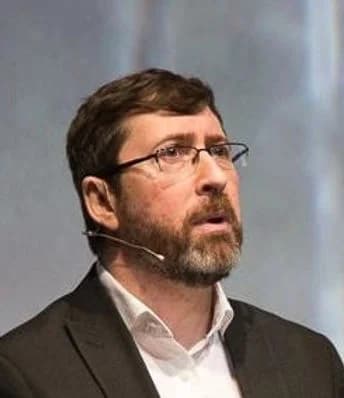
James Akrigg
Technology Transformation
Technology strategy and transformation. Turns innovation talk into things that actually ship.
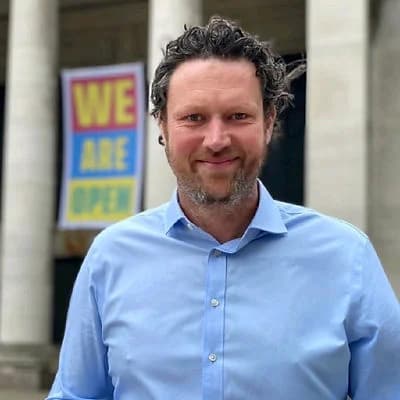
Nick Richardson
Growth Hacker & Scale-Up Strategist
Breaks growth plateaus. Works on the systems that let a company scale without the wheels coming off.
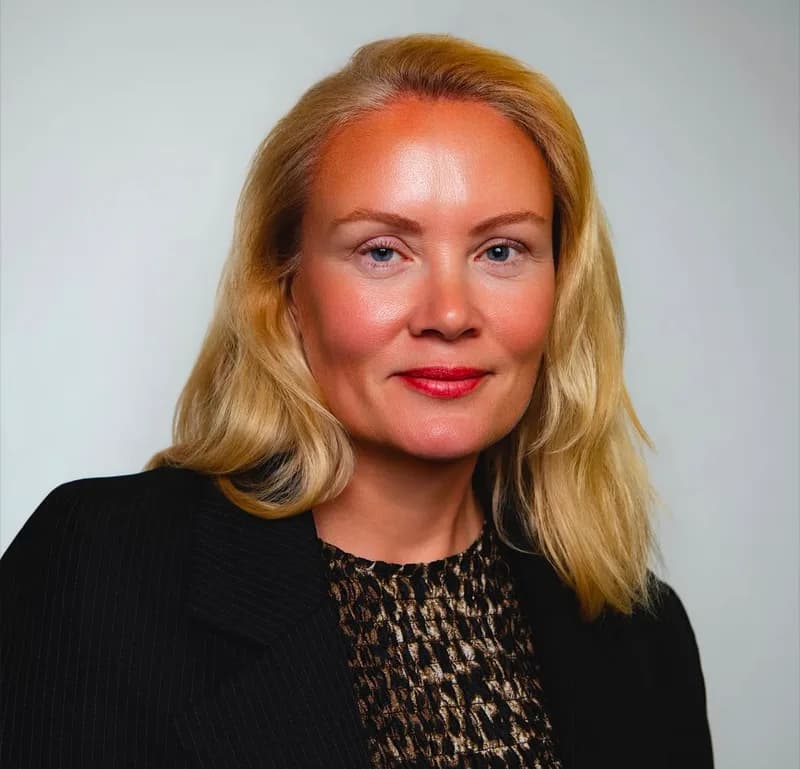
Naomi Timperley
Super Connector & Growth Mentor
Opens doors. Builds the partnerships and introductions that move a business further than another quarter of effort would.


Common questions
The questions founders ask us before they commit to anything. Answered the way we would answer them in the room.
01Will you tell us to rip everything out and start again?
No. We extend what is there. You have already paid for the thing you built, and most of it is load bearing, so the work is finding where to add rather than what to demolish.
02Is this technology work?
Sometimes, and often not. Technology is one of the five routes in. Just as often the constraint turns out to be a person, a process, or a decision nobody has been willing to make.
03We are growing fine already.
Then the question is what that growth is costing, and whether it keeps working at the next size up. Companies rarely break at the size they are. They break at the size they are heading for.
04Do we need to have done Explore first?
No. Come in wherever you actually are. If it turns out the opportunity underneath the growth has not been tested, we will say so, and that is an Explore conversation.
05What does the broken line mean on the drawing?
It is a drafting convention we use literally. Broken line means shown but not yet claimed. Anything drawn that way is proposed, not built, and we do not describe it as real until it is.
Related articles
Longer thinking on evolve, written by the same people who run it.
- No. 07
The Moment the Company Outgrows the Founder
The personal drive that gets a business off the ground is the same drive that caps it at around a hundred and fifty people. The transition from founder to leader is not a change of temperament. It is a change of job, and almost nobody is told when it happens.
15 September 2026 / 8 min - No. 04
The Founder Bottleneck: Getting Out of the Critical Path Without Losing Control
Delegation fails in most growing businesses for one reason. Founders hand over the task and keep the judgement, then wonder why nothing comes back the way they wanted.
7 September 2026 / 6 min - No. 02
What Scaling Breaks First
Growth does not stress a business evenly. It loads the parts that were never designed to carry load, and they fail in a predictable order. Knowing the order is most of the advantage.
3 September 2026 / 6 min
What is your end game?
Tell us where you want to land and we will tell you honestly whether End Game | Evolve is the right way to get there. That conversation costs you nothing and we will say so if the answer is no.